
Harvard Geneticist Reveals Science-Backed Methods to Slow and Reverse Aging
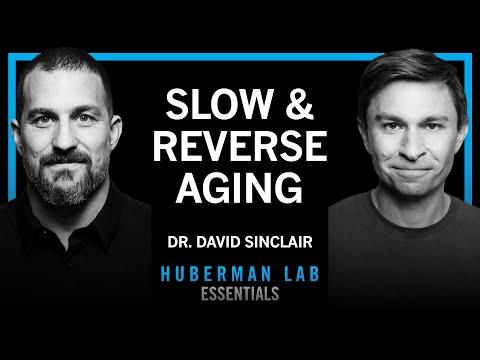
Dr. David Sinclair shares cutting-edge research on aging biology and practical interventions to extend healthspan and lifespan.
Summary
Harvard genetics professor Dr. David Sinclair discusses the fundamental biology of aging and evidence-based interventions to slow or reverse the aging process. He explains how aging is driven by cellular damage accumulation and loss of epigenetic information. Sinclair covers practical strategies including intermittent fasting, exercise, cold exposure, and specific supplements like resveratrol and NMN. The conversation explores how lifestyle modifications can activate longevity pathways, improve cellular repair mechanisms, and potentially extend both healthspan and lifespan. Sinclair emphasizes that aging should be treated as a treatable condition rather than an inevitable decline.
Detailed Summary
Dr. David Sinclair, a leading Harvard genetics researcher, presents compelling evidence that aging is not an inevitable biological process but a treatable condition. His research focuses on understanding why cells age and how we can intervene to maintain youthful function longer.
Sinclair explains that aging primarily results from the accumulation of cellular damage and the gradual loss of epigenetic information that tells cells how to function properly. This process can be slowed or potentially reversed through targeted interventions that activate the body's natural repair and maintenance systems.
Key practical strategies discussed include intermittent fasting, which activates cellular stress response pathways that promote longevity. Regular exercise, particularly high-intensity activities, triggers beneficial adaptations that maintain cellular health. Cold exposure and heat stress through saunas can also activate protective mechanisms. Sinclair also discusses specific supplements like resveratrol, NMN, and metformin that may support cellular energy production and DNA repair.
The conversation highlights how these interventions work synergistically to maintain telomere length, improve mitochondrial function, and enhance the body's ability to clear damaged proteins and cells. Sinclair emphasizes that the goal isn't just living longer, but extending the period of healthy, disease-free life.
While promising, Sinclair acknowledges that much longevity research is still emerging, and individual responses to interventions can vary significantly based on genetics and lifestyle factors.
Key Findings
- Intermittent fasting activates longevity pathways and cellular repair mechanisms
- Regular exercise and cold exposure trigger beneficial stress responses that slow aging
- Supplements like NMN and resveratrol may support cellular energy and DNA repair
- Aging can be treated as a medical condition rather than inevitable decline
- Epigenetic information loss is a key driver of cellular aging processes
Methodology
This is an educational interview format where Dr. Sinclair discusses his laboratory research findings and reviews existing scientific literature on aging biology. The content synthesizes multiple studies and research approaches from his Harvard laboratory.
Study Limitations
Many longevity interventions discussed are based on animal studies or small human trials. Individual responses vary significantly, and long-term safety data for some supplements remains limited. Some recommendations may not be suitable for all populations.
Enjoyed this summary?
Get the latest longevity research delivered to your inbox every week.